
Capitec expands cloud training strategy as banks compete for digital talent
Postado por Editorial em 06/05/2026 em MARKET & INDUSTRYCompartilhar:




South African bank broadens its internal skills programme with AWS training, certifications and hands-on learning as financial institutions work to reduce dependency on external vendors and strengthen cloud capabilities.
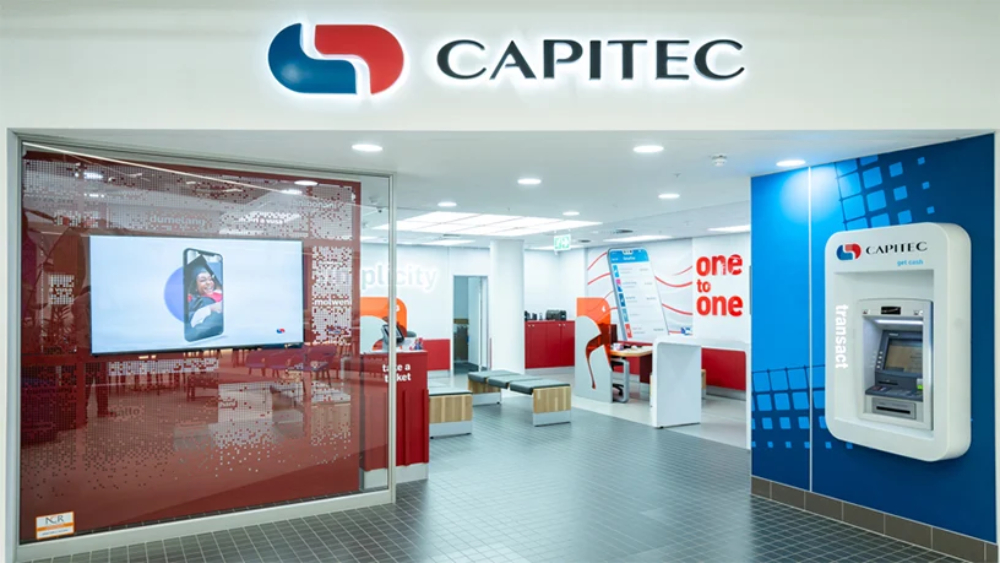
As competition for technology professionals intensifies across South Africa’s banking sector, Capitec Bank is expanding its internal training programmes to strengthen cloud and digital capabilities across the organisation.
In its integrated annual report for the year ended 28 February, the bank said it added AWS Skill Builder, the cloud training platform from Amazon Web Services, to its digital learning ecosystem. The platform offers structured training paths with on-demand courses, practical labs and certification preparation designed to help employees build skills in areas such as cloud architecture, software development and data engineering.
The initiative supported 568 employees in cloud-focused learning and certification preparation during the year, according to Capitec. The move reflects a broader shift among banks seeking to develop in-house expertise as cloud adoption accelerates and demand for digital services grows.
Financial institutions in South Africa are under increasing pressure to modernise infrastructure while managing rising costs associated with specialised digital talent. Many are also working to reduce operational dependence on third-party providers by building stronger internal teams across cloud, data and software engineering.
Capitec’s broader upskilling strategy combines multiple learning environments. Its internal use of Pluralsight generated 2,071 hours of cloud and technical training during the year, while employees completed 42,967 hours of courses through Udemy Business, up from 29,887 hours previously. The number of completed courses also increased from 2,362 to 3,417.
Beyond formal training, the bank is embedding technical development into daily operations through internal programmes such as its Centres of Mastery, which promote peer-led learning, standardisation and knowledge-sharing across engineering, payments, data and customer experience teams.
Capitec also runs technical masterclasses covering areas including SQL, Java and JavaScript to support cross-functional mobility and strengthen internal talent pipelines. Weekly “Stoep Coffees” sessions were introduced as informal forums where engineering and client experience teams discuss active programmes, new technologies and operational challenges.
The bank expanded its internal innovation programme through seasons two and three of its “Dragons’ Den” initiative, developed in partnership with its Centres of Mastery. The programme brings together cross-functional teams to develop and pitch solutions to business challenges.
According to Capitec, 93 ideas were submitted across both seasons, with 16 teams progressing to a finals week where 67 employees participated in prototyping and solution development. A total of R120,000 in prize funding was awarded, while selected projects were escalated to executive teams and, where approved, moved into delivery pipelines.
Participation extended beyond technology teams to include business units and branch staff, reflecting the bank’s effort to integrate innovation and digital skills more broadly across the organisation.
These workforce investments are taking place alongside continued growth in Capitec’s digital banking operations. In its latest annual results, the bank reported that active clients increased 7% to 25.2 million, while fully banked clients rose 12% to 9.9 million.
Digital activity also continued to expand. Half of all payments are now processed digitally, while e-commerce transactions, including Capitec Pay, increased 32% to 643 million. Pay wallet transactions grew 103% to 335 million.
As more services move online, the bank is also increasing its focus on fraud prevention and operational resilience. During the year, Capitec said its fraud prevention systems blocked more than 131,000 suspicious beneficiaries, including 64,000 mule accounts. AI-based warnings also prevented more than 394,000 scam payments, helping customers avoid losses of more than R673 million.