
FNB integrates government database to launch nationwide smart ID service
Postado por Editorial em 09/03/2026 em TECH NEWSCompartilhar:




The financial institution will connect directly to the Department of Home Affairs' infrastructure, allowing citizens to renew biometric documents at over 240 bank branches without extra convenience fees.
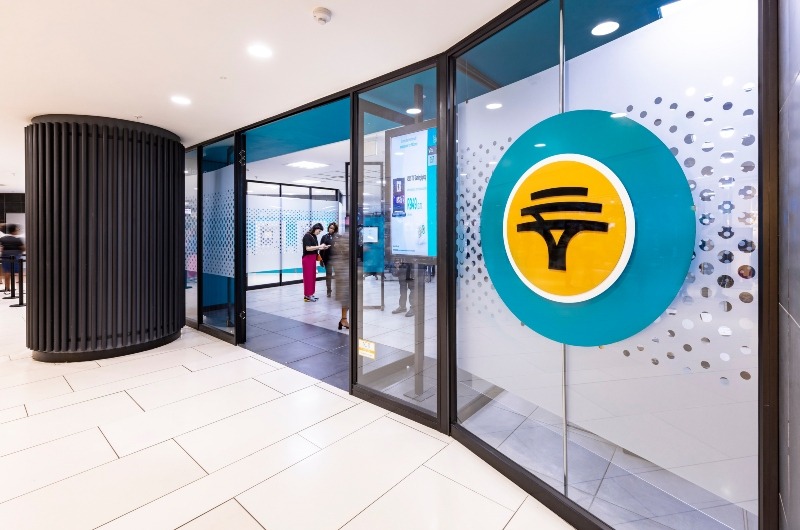
First National Bank (FNB) is preparing to launch a Smart ID Card application service across its retail network following successful technical trials with the South African Department of Home Affairs (DHA).
FNB, one of South Africa’s largest financial institutions, will utilize a new digital partnership model introduced by the government earlier this year. The initiative allows the bank to process applications for the reissuance of identity documents directly at its branches, with future plans to integrate the capability into the FNB Banking App.
Understanding the technology and infrastructure
The project relies on establishing a direct connection between the bank's IT infrastructure and the DHA's back-end systems. In practice, this means creating secure, server-to-server data links that allow FNB to communicate in real-time with the national citizen registry. This bypasses manual data entry and accelerates the verification process.
The service focuses on the Smart ID Card, South Africa's microchip-embedded biometric identity document that replaced the traditional green barcode books. These cards are legally required for citizens to access financial services, secure employment, and participate in the formal economy.
The bank plans to scale the service to over 240 branches nationwide over the next 12 months. To drive initial adoption, FNB will waive all logistical and convenience fees, charging applicants only the standard R140 government statutory tariff.
Government and corporate alignment
Dr. Leon Schreiber, Minister of Home Affairs, positioned the banking integration as a core component of the government's modernization strategy.
“This progress with FNB represents another important step in our Home Affairs @ Home reform programme to bring dignity, convenience and security to how South Africans access identity services,” Schreiber said. “By connecting banks directly to our digital systems, we are laying the foundation to expand access to Smart ID services through trusted institutions that people already use every day.”
FNB CEO Harry Kellan noted that leveraging existing private sector infrastructure allows the government to reach millions of additional citizens. Zibu Nqala, CEO of FNB Points of Presence, added that the expanded branch network aims to service communities that have historically faced long travel times and administrative friction when accessing government facilities.
The new national rollout builds on a pilot program established between FNB and the DHA in 2015. Operating out of just seven designated branches, that initial collaboration processed over 570,000 documents, including 258,000 Smart IDs and 312,000 passports. According to the bank, those seven locations will continue to handle first-time Smart ID issuances and passport applications.