Google launches multilingual AI training programme for South Africa’s community newsrooms
Postado por Editorial em 20/01/2026 em TECH NEWSCompartilhar:




New initiative focuses on digital skills, local languages and sustainable business models for grassroots media
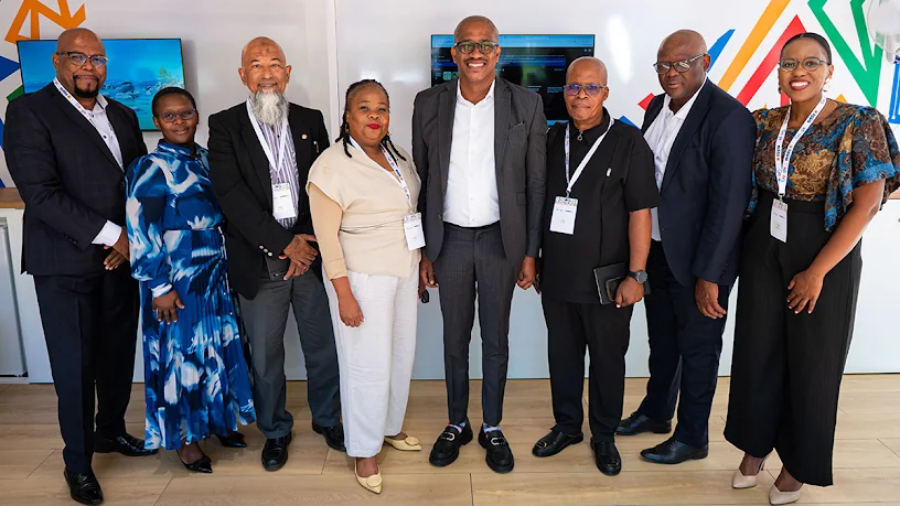
Google, through its Google News Initiative (GNI), has rolled out a new pilot programme in South Africa aimed at equipping community media with digital and artificial intelligence skills in multiple local languages, as part of a broader effort to strengthen the long-term viability of grassroots journalism.
The project was unveiled in Cape Town and forms part of a wider media support commitment by Google and YouTube, which has earmarked R688 million to back national, community and vernacular media across the country. The training pilot is being delivered in partnership with the Media Development and Diversity Agency (MDDA) and Daily Maverick.
Designed to address the structural challenges faced by smaller publishers, particularly those operating in indigenous languages, the programme will offer instruction in Afrikaans, English, isiXhosa, isiZulu and Sepedi. According to Google, the focus is on removing barriers created by limited access to technical training and the dominance of English in most digital and AI learning environments.
At the launch, Deputy Minister in the Presidency Kenneth Morolong highlighted the broader social role of community journalism, describing local media as a cultural and democratic anchor within neighbourhoods and regions across the country.
From a policy and technology perspective, Shaik Imraan Subrathie, a member of Parliament’s Portfolio Committee on Communications and Digital Technologies, said the initiative reflects a growing recognition that digital tools should reduce, rather than deepen, existing divides. He noted that enabling newsrooms to produce and distribute content in indigenous languages is central to expanding reach, building audiences and creating more sustainable publishing models.
The programme combines newsroom training with business development components, including guidance on alternative revenue streams such as content partnerships, licensing and event-based sponsorships. Google says the goal is to help community publishers move toward audience-focused strategies that support financial resilience over the long term.
On the technology side, participating journalists will receive hands-on exposure to tools such as Google Gemini and NotebookLM, with practical sessions on AI prompting, content workflows and image generation tailored to newsroom use cases.
Philly Moilwa, a board member at the MDDA, emphasised that community and small media outlets remain the most trusted sources of information for many rural and marginalised communities, making digital capability and editorial integrity equally important for their future growth.
For Google, the initiative reflects a broader view of local journalism as a foundation for informed and connected societies. Marianne Erasmus, Google’s news partner lead for Sub-Saharan Africa, said the programme is intended not only to introduce new technologies, but also to help rebuild audience trust and support the development of stronger, more adaptable business models for community publishers.