
Obiex sets sights on Ghana and South Africa after surpassing $1 billion swap volume
Postado por Editorial em 18/02/2026 em IT SECURITYCompartilhar:




Crypto exchange moves beyond its Nigerian base to scale regional operations, positioning itself as a locally built alternative in Africa’s fast-growing digital asset markets.
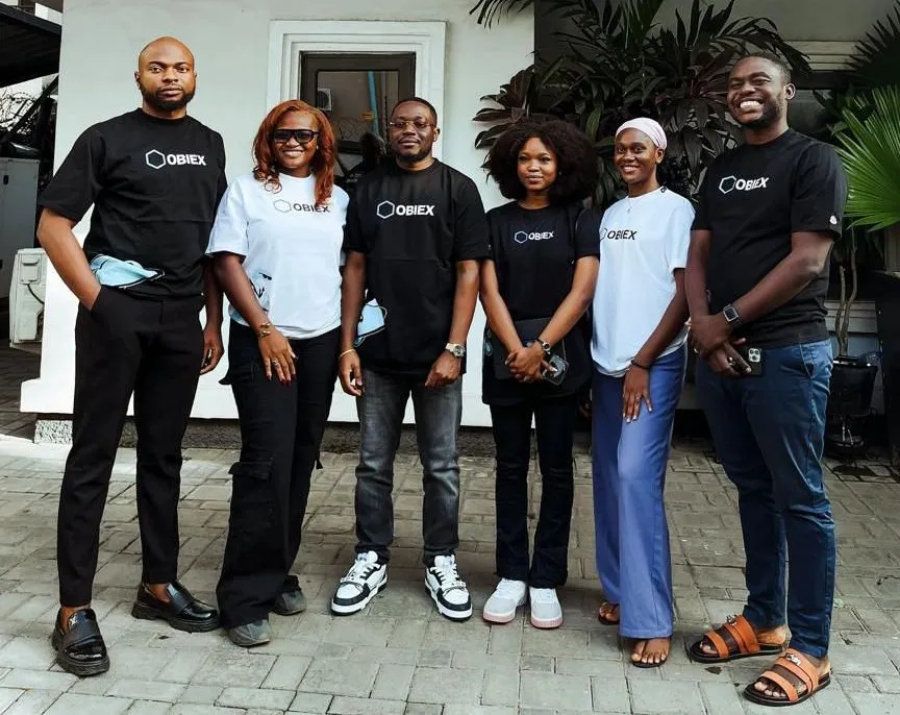
After a period of rapid expansion in Nigeria, Obiex is preparing to extend its footprint across Africa, prioritizing Ghana and South Africa while also advancing plans in Kenya. The step marks a shift in positioning for the platform, which has evolved from a locally focused liquidity solution into a regional trading infrastructure aiming to compete with international exchanges.
Obiex, a Nigerian-founded cryptocurrency exchange established by Ikechukwu Okeke and CTO Chidozie Ogbo, specializes in tools designed to minimize execution risk during digital asset transactions, has built its reputation by addressing a persistent issue faced by traders. When blockchain confirmation times lag behind market movements, price changes can erode expected returns. The company’s services are structured to limit that exposure by improving speed and rate certainty during swaps.
The business did not begin in its current form. It launched in 2016 under the name Paylot, initially intended to provide merchants with crypto payment processing. User behavior quickly revealed different priorities, and the company redirected its focus toward facilitating conversions between digital assets and local currencies. A rebrand in 2021 formalized that transition. Regulatory pressure that same year, when Nigeria’s central bank restricted banking support for crypto-related companies, pushed the platform to refine its model further. By concentrating on the needs of high-volume peer-to-peer traders, the company sought to address losses caused by price fluctuations during transaction delays.
A key feature emerging from that process allows exchange rates to be locked before blockchain confirmation is completed. By removing dependence on verification timing, the mechanism has attracted both individual users and professional traders seeking predictability in volatile markets.
The company remains self-funded despite handling large transaction flows. Swap activity grew from $588 million in 2024 to more than $1 billion in 2025. Total gross transaction value reached $9 billion for the year, bringing cumulative volume since the 2021 strategic shift to over $20 billion. Retail participation accounts for most activity, contributing roughly seventy percent of volume, while business clients represent just under a third. Beyond direct customers, the platform also provides wallet and backend infrastructure services to a dozen exchanges operating within Nigeria.
Expansion plans are centered on markets where digital asset usage continues to rise and regulatory frameworks are becoming clearer. Ghana has emerged as the immediate priority following policy guidance issued by its central bank outlining potential rules for virtual asset oversight. With millions of residents already engaged in digital asset activity, the company is exploring integration with local payment providers. In South Africa, regulatory engagement is underway as the exchange seeks entry through formal sandbox participation before scaling operations. Kenya remains on the roadmap as well, with licensing processes advancing to ensure compliance prior to launch.
Revenue generation follows a model distinct from platforms that depend on fixed transaction fees. Instead, income is derived from spreads embedded within swap execution. This approach has supported financial independence since 2021 without venture capital backing, enabling the company to fund growth internally.
Chief executive Ikechukwu Okeke has indicated that momentum built in Nigeria is now underpinning expansion across the continent, reflecting an ambition to position the exchange as a regional alternative rooted in local market experience rather than external capital.