
Zimbabwean AI Engineer Pioneers Tools to Curb Preventable Hospital Readmissions
Postado por Editorial em 27/12/2025 em MARKET & INDUSTRYCompartilhar:




RoyalTech AI Labs’ patented browser-based prediction system is helping clinicians anticipate high-risk cases using clinical language models, without adding complexity to care.
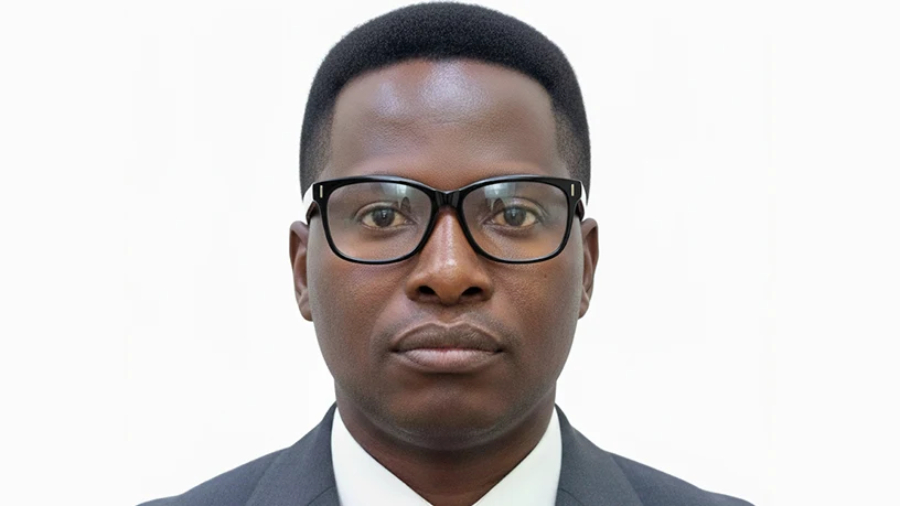
Sylvester Tafirenyika ,co-founder of RoyalTech AI Labs.
Artificial intelligence continues to influence patient care across the globe, but its true value depends on whether it reduces friction for clinicians rather than introducing new hurdles. One engineer working to strike that balance is Sylvester Tafirenyika, a Zimbabwean-born AI and machine learning specialist now leading innovation at RoyalTech AI Labs, a Silicon Valley–based startup developing clinical decision-support tools for hospitals.
RoyalTech AI Labs focuses on one of healthcare’s persistent challenges: preventable readmissions, when patients return to hospital within a month of discharge. Their technology uses clinical language models to interpret doctors’ discharge notes and highlight individuals who may need proactive follow-up care.
Tafirenyika’s path into the sector has been far from linear. He began his career in Zimbabwe as an economist at Allied Bank, designing forecasting and analytical systems before transitioning into data science and machine learning. That shift led him to roles in South Africa, including at Mandara Consulting, where he applied deep-learning techniques to operational and public-sector problems. The experience, he says, taught him that “AI is only valuable if people can actually use it,” reinforcing his focus on practicality, privacy, and interoperability.
Today, Tafirenyika holds more than 28 peer-reviewed publications and patents across AI and applied healthcare. His academic background includes a Master’s degree in Machine Learning and Artificial Intelligence from a Silicon Valley institution, and over 15 years of industry experience spanning data engineering, automation and clinical predictive systems.
At the centre of his work is a patented, browser-based platform designed to flag patients at risk of readmission, with a focus on ten major drivers of repeat hospital visits, including heart disease, stroke, diabetes, respiratory infections and chronic kidney conditions. Because the system runs locally in a browser, patient data does not need to be uploaded to external servers, a key point for hospitals navigating compliance and privacy legislation.
The engine behind the platform is BioClinicalBERT, a medical-focused language model fine-tuned to interpret unstructured medical text. It converts free-form notes into structured profiles, risk scores and reminders for follow-up care, giving medical teams a dashboard that tracks outcomes over time. The platform also assists with timestamped notes and workflow prompts that integrate into existing routines.
“Accuracy alone isn’t enough,” Tafirenyika explains. “If AI doesn’t reduce cognitive load or save time for clinicians, then it isn’t solving the right problem.”
His approach reflects a broader trend in healthcare technology: moving away from experimental prototypes and toward scalable, privacy-preserving tools that help hospitals make faster, more confident decisions. Analysts believe this direction could be transformative for public health systems in emerging markets, including South Africa, where overstretched facilities face increasing pressure to reduce preventable readmissions.
This article is based on reporting originally published by ITWeb, with additional analysis and adapted editorial narrative. Looking ahead, Tafirenyika envisions a future where AI sits in the background, quietly reducing administrative burden and helping clinicians intervene earlier. “The goal,” he says, “isn’t to replace human judgment — it’s to give it more bandwidth.”