
South Africa opens fourth industrial revolution lab at Mpumalanga vocational college
Postado por Editorial em 17/04/2026 em NEWSCompartilhar:




The facility at Gert Sibande TVET College is part of a government effort to introduce AI and digital skills training into the country's vocational education system
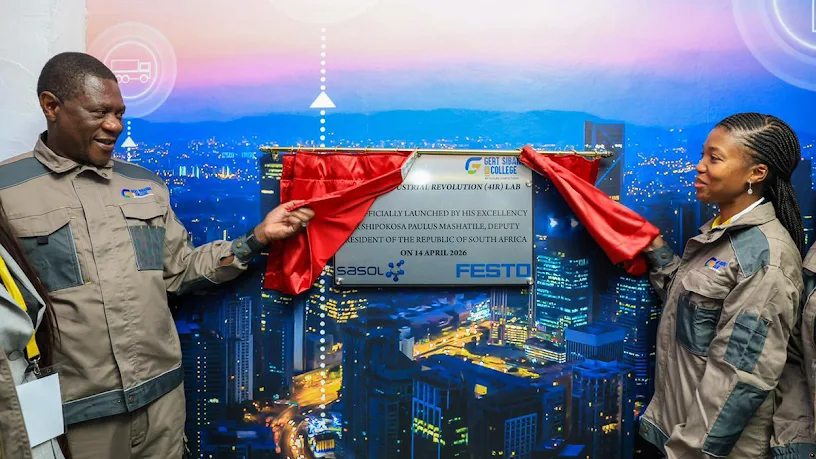
South Africa's deputy president Paul Mashatile opened a fourth industrial revolution (4IR) digital innovation lab and centre of specialisation at Gert Sibande TVET College in Mpumalanga province. The facility is intended to introduce training in areas such as data literacy, cloud computing and applied AI into the vocational education system, which currently serves as one of the country's main pipelines for technical and trade qualifications.
TVET colleges, technical and vocational education and training institutions, operate across South Africa's nine provinces and enrol students who typically pursue practical qualifications in fields like engineering, agriculture, business and information technology. The new lab is designed to bring those programmes closer to the demands of an employment market that is shifting toward automation. According to data from the World Economic Forum's Future of Jobs Report 2025, work tasks are expected to be nearly evenly divided between humans and machines by 2030.
The opening took place against a backdrop of persistent structural unemployment in South Africa, particularly among young people without access to digital tools or advanced training. Mashatile framed the lab as part of a broader government position that AI adoption in sectors like agriculture, manufacturing and services should expand access to employment rather than reduce it, and that higher education institutions need to partner in preparing workers for an economy where automation is displacing existing roles.
"The work beginning here will ripple outward, motivating communities, empowering youth, and strengthening South Africa's voice in the global dialogue on technology and human progress. Artificial intelligence is reshaping cognition, operations and problem-solving at a pivotal moment in history," he commented.
Mashatile also addressed the conditions he considers necessary for the country to absorb these changes without deepening existing inequality, noting that access to digital tools, affordable internet and advanced skills training remains inconsistent across the population.
"South Africa's successful adoption of AI will depend on building a workforce skilled in data literacy, cloud computing, ethical governance and applied AI integration. We must embed 4IR technologies into artisan training to ensure graduates are industry-ready."